
INFO
More Information About Manztech
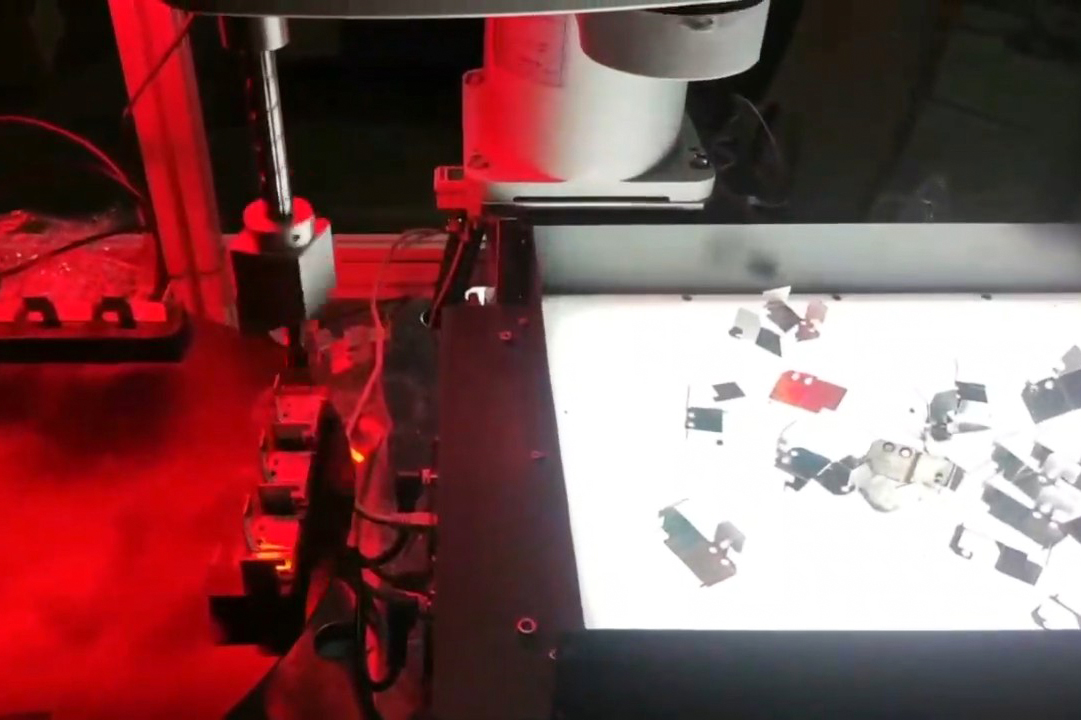
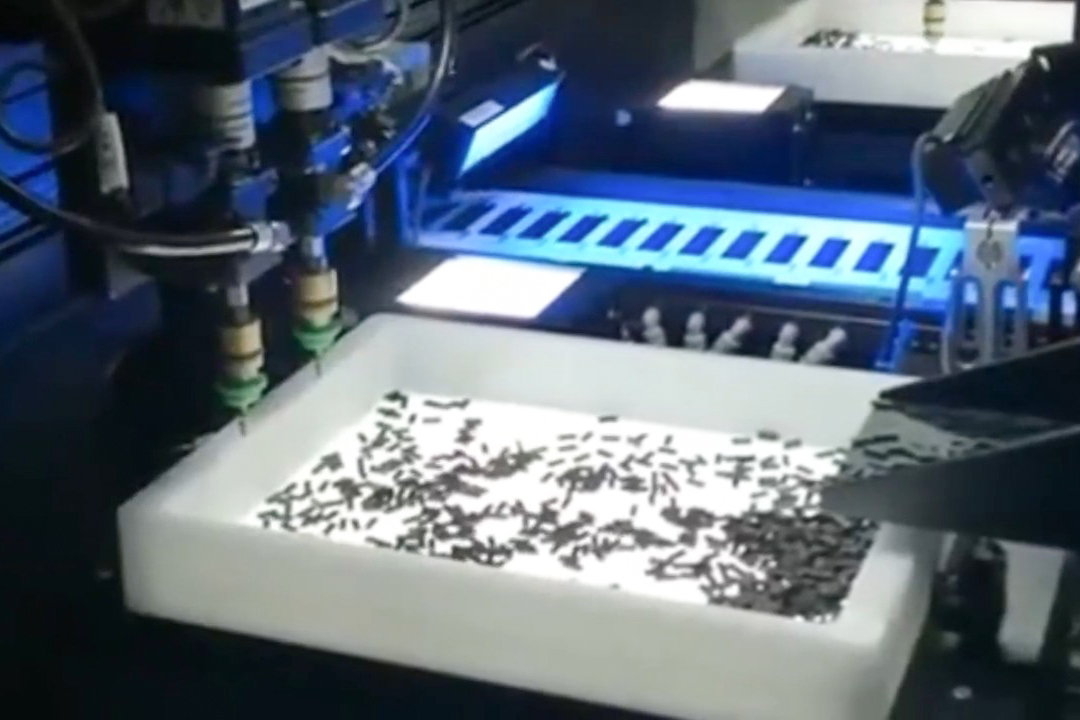
Flexible feeding technology is widely used in the field of industrial automation due to its flexibility and efficiency, especially suitable for handling materials with complex shapes, fragility, or requiring high-precision positioning. The following are its main industry applications and characteristics:
1. 3C Electronics Industry
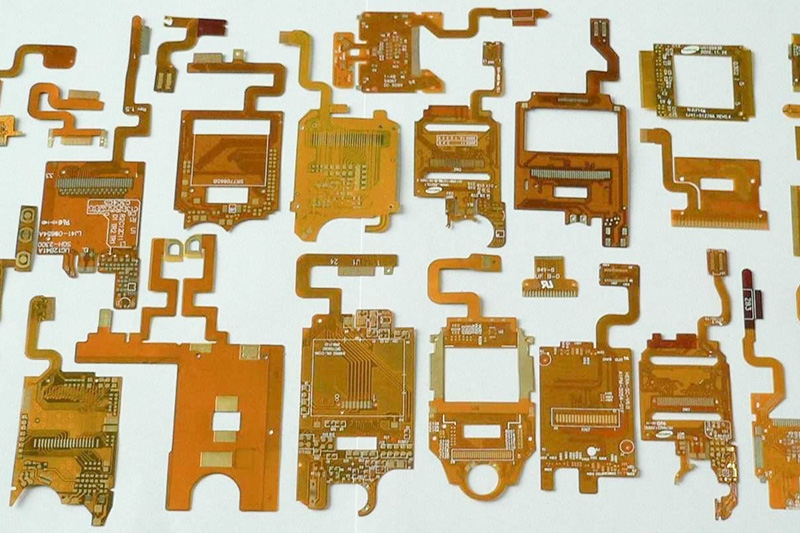
Application scenarios: mobile phone components (such as camera modules, screens), miniature sensors, headphone components, etc.
Advantages: Suitable for small and lightweight parts, avoiding surface scratches caused by traditional vibration discs, supporting high-speed sorting and assembly.
Case: Apple uses a flexible feeding system in its supply chain to handle the precision assembly of AirPods charging cases.
2. Automobile manufacturing
Application scenarios: Engine small parts (such as gaskets, screws), electronic components (connectors), interior parts, etc.
Advantages: Handling mixed metal and plastic materials, compatible with different batch size changes (such as customized parts).
Case: Tesla factory uses a flexible visual feeding system to assemble heat sinks in battery packs.
3. Medical and Pharmaceutical
Application scenarios: pill packaging, syringe parts, surgical instruments (such as orthopedic screws), testing kits.
Advantages: Compatibility with sterile environment, avoiding contamination; Handle fragile glass medicine bottles or flexible tubing.
Case: Flexible feeding in COVID-19 vaccine production line is used for precise positioning of penicillin bottles.
4. New energy (photovoltaic/lithium battery)
Application scenarios: solar cells, lithium battery electrodes, separators.
Advantages: Non destructive grasping of thin and brittle materials (such as silicon wafers), combined with visual correction to improve yield.
Case: CATL applies flexible feeders in the electrode stacking process.
5. Food and Packaging
Application scenarios: Chocolate, cookie shaped packaging, fresh food (such as strawberries) sorting.
Advantages: Food grade material contact surface, suitable for soft or easily deformed items.
Case: Unilever utilizes flexible feeding automation to package ice cream spoons.
6. Other fields
Hardware: Mixed sorting of screws and springs.
Military aerospace: feeding of precision gears and turbine blades.
Daily chemicals: cosmetic bottle cap, spray valve assembly.
Technical core advantages
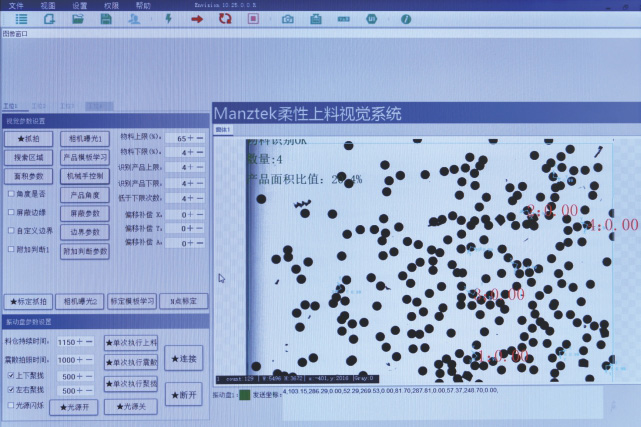
Flexibility: By using a visual system and AI algorithm, different materials can be switched without changing hardware.
High yield: reduces jamming or damage caused by traditional vibration, with a yield rate of over 99.5%.
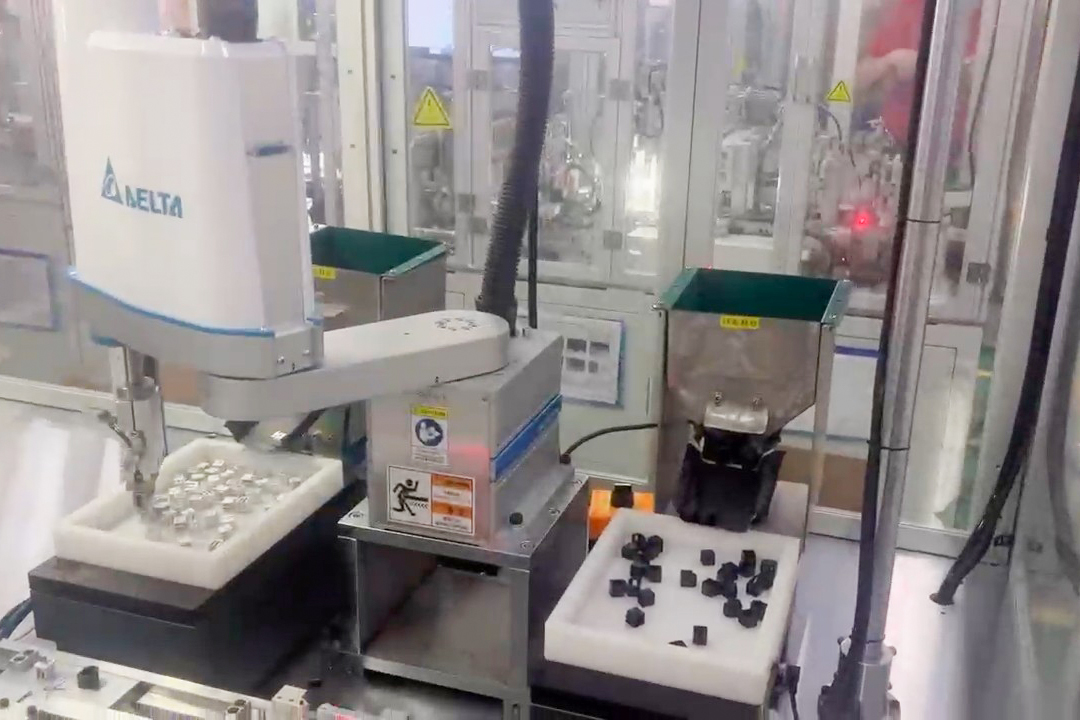
Modular design: supports integration with robotic arms, AGVs, and other equipment to achieve a "black light factory".
Challenges and Trends
Cost: The initial investment is higher than that of traditional vibration discs, but the long-term return is high (with low maintenance costs).
Technology integration: Combining 5G real-time data transmission and digital twin optimization of feeding paths.
Flexible feeding is gradually replacing traditional methods and becoming a key link in intelligent manufacturing, especially with significant advantages in multi variety and small batch production.

Working day:9:00 -18:00
Contact us